





























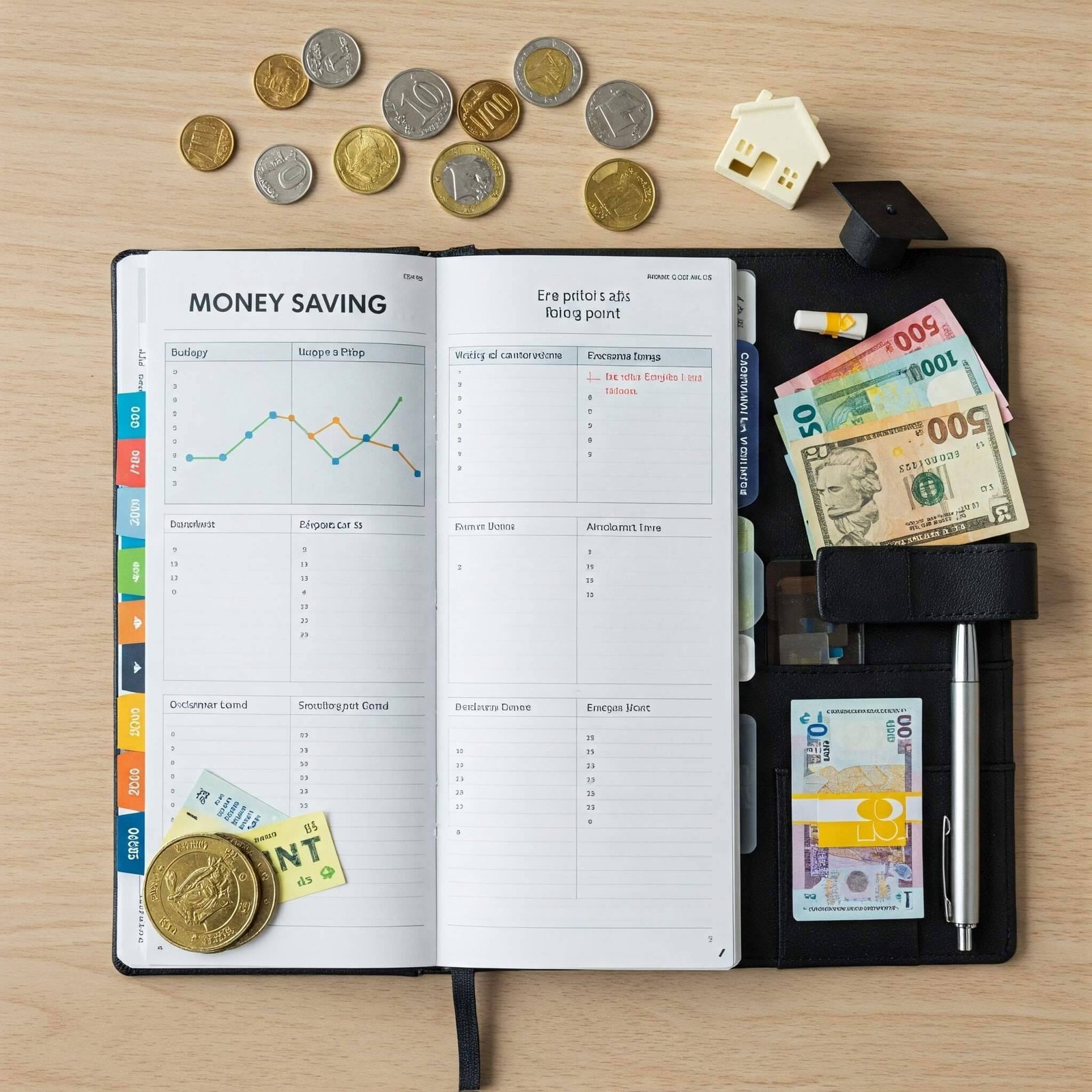
The money saving planner that changed my life is sitting on my kitchen counter right now, pages all curled from being shoved in my bag, covered in little sauce stains from that one time I tried to eat wings while budgeting. Seriously, I used to laugh at people who carried around physical planners for money—like, bro we have apps—but last February I hit a wall. Checking account at $47, credit card screaming past due, and I’d just DoorDashed $62 worth of poke bowls because “I deserved it” after a crap day at work. I was 34, living in a one-bedroom in Raleigh, North Carolina, and somehow still acting like I was 22 with unlimited credit.
Why I Finally Caved and Bought a Money Saving Planner
I didn’t want some cute pastel thing from Etsy that looked like it belonged in a TikTok influencer’s flat-lay. I needed something ugly and functional. Ended up grabbing a plain black Moleskine weekly notebook (not even the fancy kind) and just started ruling lines myself because every pre-made money saving planner I found online felt too… performative? Like they assumed you already had your shit together.


First month was brutal. I’d write “GROCERIES ONLY $120” and then immediately text my buddy “wanna grab wings?” because feelings. But the act of physically writing the number down—seeing my dumb choices in blue ink—made me pause more than any app notification ever did.
Here’s what actually stuck for me:
- The no-fancy-apps rule. I tried Mint, YNAB, PocketGuard… all of them made me feel judged by pastel graphs. A money saving planner on paper? Zero judgment, just me vs. me.
- Tracking daily “micro-leaks.” Like $4.50 iced lattes add up stupid fast when you’re doing it five days a week.
- The embarrassment factor. Seeing “ impulse Amazon $89” staring back at you in your own terrible handwriting is way more painful than a red number on a screen.
How the Money Saving Planner Actually Looked in Real Life (Spoiler: Chaos)
Month two I tried color-coding. Green for savings goals, red for debt payments, yellow for “fun spending.” By week three the whole thing looked like a toddler got hold of highlighters. But weirdly that mess helped. I could flip back and see patterns—like every time payday hit I’d blow $200 within 48 hours on dumb stuff (new running shoes I never used, another plant I killed in two weeks).
I started doing a quick “what actually matters” check every Sunday night while the TV was on low. Sitting on my sagging IKEA couch, feet on the coffee table that’s held together with duct tape, I’d ask myself:
- Did I die without that $12 craft beer flight?
- Could that $35 Uber ride have been a $2.50 bus?
- Why do I own four almost-identical black hoodies?
Turns out most of my spending wasn’t evil—it was lazy.
For more on why physical tracking beats digital for some people (including messy people like me), check out this piece from NerdWallet on why some folks still swear by paper budgeting.
The Stupid-Simple Layout That Finally Clicked
I’m not gonna pretend I invented anything groundbreaking, but this is what my money saving planner pages look like now:
Left page (weekly view):
- Paycheck amount on top in big numbers
- Fixed bills auto-deducted (rent $1,350, car $298, insurance $112)
- What’s left = “real money” I can actually touch
Right page (spending log):
- Date | What | Amount | Category | Notes
- 02/03 | Chipotle bowl | $11.89 | Eating out | Swore it was “healthy” lol
- 02/05 | Gas | $48 | Transportation | Filled up before prices jumped again
Then at the bottom I do a quick weekly total for each category. Seeing “Eating out: $187 → goal was $80” in bright red marker? Instant gut punch. But also—when I finally got it under $60 one week, I drew a dumb little trophy next to it. Felt ridiculous. Felt good.
If you want a free template vibe that’s similar to what I hacked together, Ramit Sethi’s Conscious Spending Plan PDF is solid and doesn’t guilt-trip you.
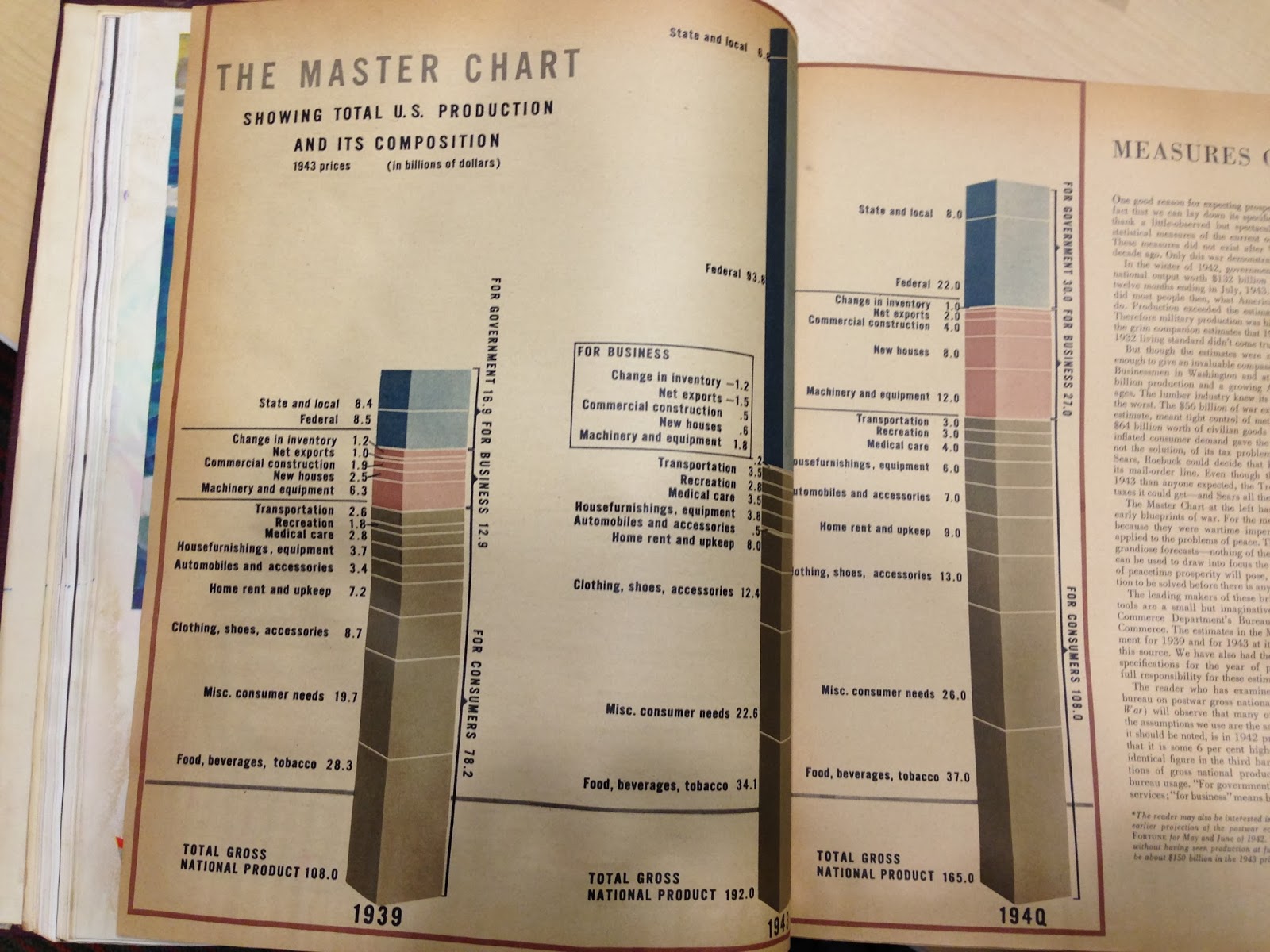
So I Found Myself Writing A Pulp – Page 2 – Pulp Hero – HERO Games
(It’s an analog notebook page with handwritten numbers, bars/charts, and annotations—close enough in spirit to the personal, marker-on-paper vibe, though the exact categories differ slightly. Imagine the red overspend text screaming at you, and a little trophy scratched in triumph elsewhere on the sheet.)
How To Use A Digital Planner – World of Printables
The Part Where I Almost Quit (Again)
Week six I relapsed hard. Friend’s birthday, open bar, then late-night Taco Bell run, then next morning hungover Amazon spree because “retail therapy.” Woke up to $310 gone. Almost tossed the entire money saving planner in the trash. Instead I just wrote in giant letters across that week:
“I FUCKED UP. AND THAT’S OKAY. RESET.”
Kept going. That’s the thing nobody tells you— a money saving planner isn’t about perfection. It’s about catching yourself before the damage gets nuclear.
Where I’m At Now (February 2026 Edition)
Still not rich. Still in the same apartment. But:
- $4,200 in emergency fund (started at $0)
- Credit card debt down from $11k to $3,800
- Haven’t DoorDashed in 47 days (personal record)
- Actually look forward to Sunday budgeting sessions now. I put on lo-fi beats, make cheap drip coffee, and feel like an adult for 30 minutes.
It’s not glamorous. But it’s mine.
If you’re sitting there thinking “I’m too much of a mess for a money saving planner,” same. Start anyway. Grab any notebook. Write one number. Then another. The chaos gets less scary when you can see it on paper.